Importing disposable non-woven gowns can be profitable — but only if you avoid common sourcing mistakes that cost importers time, money, and buyer trust.
After supporting dozens of PPE distributors and wholesalers worldwide, we summarized the top 10 mistakes we see importers make when buying from China — and what to do instead.
This guide will help you source smarter, avoid unnecessary cost, and get consistent quality from reliable factories.
1️⃣ Not Knowing the Real Usage Before Quoting
Many importers ask for prices first — before defining how the gowns will be used.
Result: they receive irrelevant quotations and wrong GSM materials.
👉 Tip:
Always tell your supplier:
Application (Visitor / Clinical / Surgical / Industrial)
Expected protection level (AAMI 1 / 2 / 3 or equivalent)
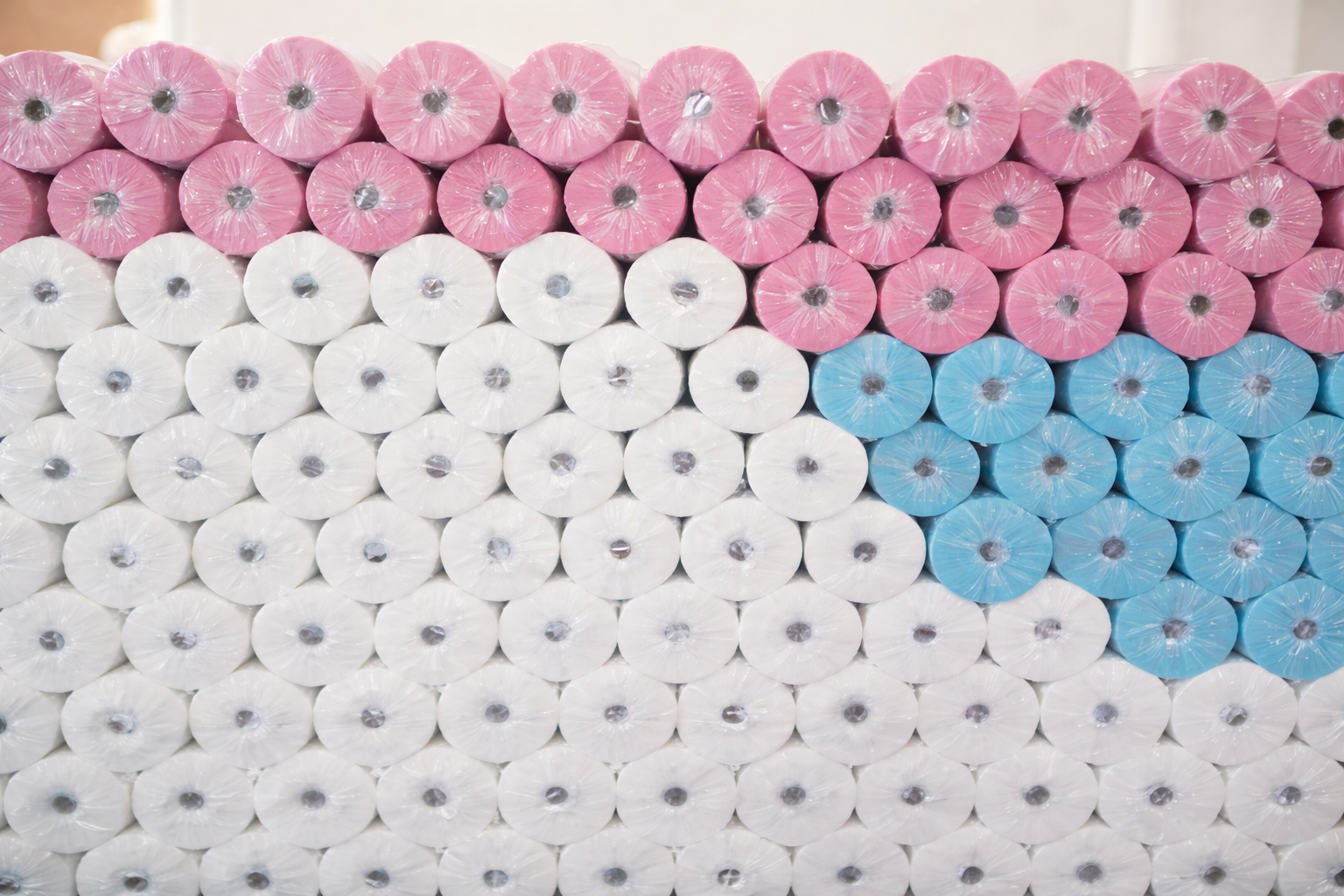
Preferred fabric type (PP / SMS / Laminated SMS / PP+PE)
Smart buyers quote by usage, not by “lowest price.”
2️⃣ Assuming All Non-Woven Gowns Are the Same
Different gowns = different performance.
PP 25gsm → visitor or cleanroom use
SMS 35-40gsm → standard medical use
Laminated SMS 40-45gsm → splash-resistant environments
Many importers buy based only on photos, ignoring material differences — and later face complaints like “too thin,” “not waterproof,” or “hot to wear.”
👉 Tip:
Ask for material spec sheet + sample before PI confirmation.
3️⃣ Ignoring Supplier Qualification and Certification
Low price ≠ legal compliance.
Some small factories may use sub-standard fabric or lack export licenses.
👉 Always check: (aim at medical products)
ISO 13485 or CE certificates (valid date and scope)
Test reports (EN13795 / EN14126 / AAMI Level 2-3 if claimed)
Business license + export right
Working with a certified factory avoids shipment hold or customs rejection.
4️⃣ Over-Focusing on Unit Price Instead of Total Landed Cost
Some importers choose the lowest FOB price but ignore the freight and packing cost.
A $0.02 cheaper gown can be more expensive after shipping.
👉 Tip: Compare “Cost per CBM,” not just “Cost per piece.”
Ask for carton dimensions, qty per carton and 40HQ loading qty.
This is how professional buyers calculate real profit.
5️⃣ Ordering Without Checking Sample from Final Batch
Photos and earlier samples may not match bulk production.
Skipping pre-shipment samples is a common mistake.
👉 Tip:
Request a sealed sample from mass production before payment balance.
Keep it for inspection comparison if issues arise.
6️⃣ Not Defining Color and Seam Details Clearly
Color difference between batches can be ±10% unless specified.
Seam type (ultrasonic vs thread sewn) also affects barrier performance.
👉 Tip:
Include color code (Pantone / fabric sample) and seam type in your PO.
For medical gowns, choose ultrasonic seam for better fluid resistance.
7️⃣ Ignoring Packaging and Labeling Regulations
Incorrect label = customs delay or warehouse refusal.
👉 Tip:
Mark product name, lot no., and country of origin (“Made in China”)
Follow destination rules (EU: CE mark + AAMI level / Middle East: Arabic translation)
Keep carton ≤ 15 kg for manual handling safety
8️⃣ Not Inspecting Before Shipment
Skipping third-party inspection to save $150 can cause thousands in loss.
👉 Tip:
Book a final random inspection (AQL 2.5 / 4.0) or factory video inspection.
Check fabric GSM, seam strength, and carton label accuracy.
9️⃣ Poor Communication of Packaging and Delivery Terms
Many buyers don’t clarify Incoterms or shipping timeline.
Factories may book LCL instead of FCL, increasing cost.
👉 Tip:
Confirm Incoterm (FOB / CIF / DAP) in writing.
Agree on lead time and shipment window before deposit.
Ask supplier for carton photos + loading video for each shipment.
🔟 No Long-Term Partnership Mindset
Short-term buyers change suppliers frequently — and lose stability in quality and pricing.
The best importers build supplier partnerships.
👉 Tip:
Work with a supplier that offers:
Consistent raw material source
Transparent QC reports
After-sales support & responsiveness
Partnership > price war.
✅ Quick Checklist Before You Place an Order
| Step | What to Confirm | Why It Matters |
|---|---|---|
| 1 | Usage & spec (AAMI Level / fabric) | Avoid wrong GSM / wrong material |
| 2 | Certification (CE / ISO13485 / EN Reports) | Prevent customs issues (Europe market and medical products) |
| 3 | Sample approval + color confirmation | Lock quality before mass production |
| 4 | Packaging / Label spec + carton size | Ensure smooth export / shipping |
| 5 | Final inspection booked | Secure quality before payment balance |
⚙️ Frequently Asked Questions
Q: Can I buy without CE if I’m not selling to Europe?
A: Yes, but you still need factory inspection reports and basic quality control proof.
Q: What is the best MOQ for trial orders?
A: Start from 5000 pcs per model — enough for market testing but low risk.
Q: How can I avoid over-spec cost?
A: Define usage clearly and match GSM + material to actual application (ask supplier for guidance).
💡 Conclusion & Buyer Advice
Sourcing disposable non-woven gowns from China is not difficult — but it requires discipline.
Avoid these 10 mistakes and you will gain three advantages:
Stable quality
Predictable delivery
Higher profit margin
We support buyers with usage-based spec matching.
Contact us for a free spec review or sample consultation before your next order.