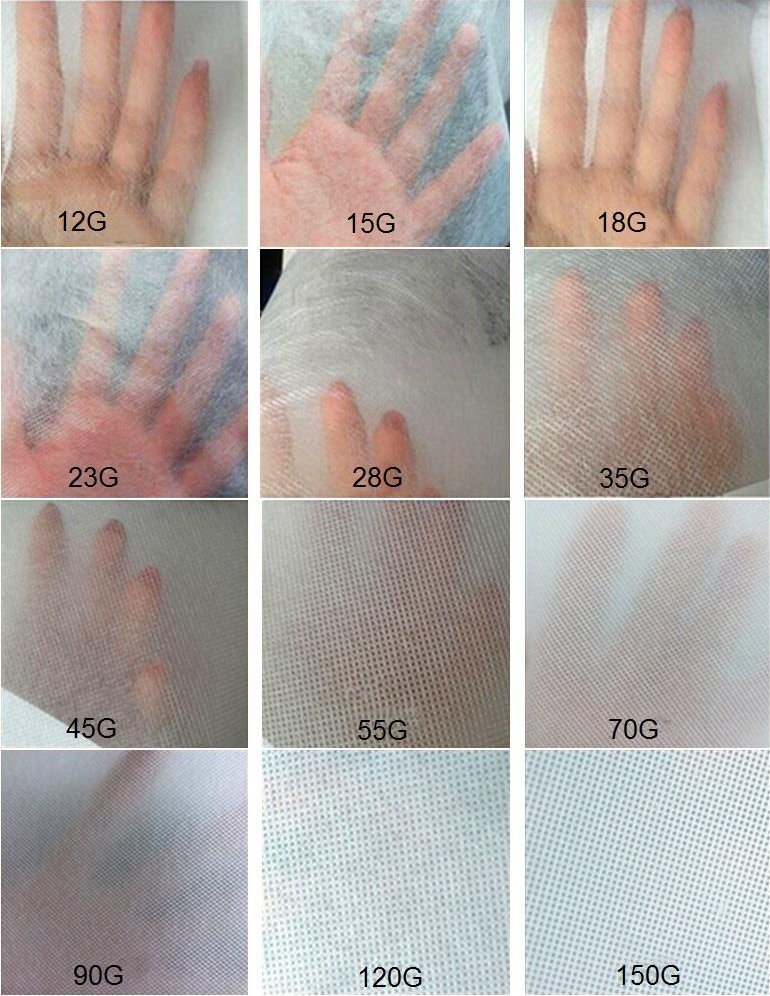
Many distributors and importers still choose isolation gown GSM by comparing prices only. But GSM selection is actually a “fit-for-use specification” decision. When the wrong GSM is matched to the wrong application, two things happen: (1) the product becomes too expensive and end buyers reject the price, or (2) the product feels too thin and users complain later. Correct GSM selection protects both cost efficiency AND realistic user experience. This article provides a direct logic that procurement teams can use to select GSM by usage scenario — not by habit, not by assumptions.
How to Decide — Key Factors Buyers Should Check First
These are the 6 questions we ask buyers before even quoting:
What is the real usage environment — visitor zone / daily patient care / wet cleaning / technical heavy moisture?
Who will actually wear the gown — casual visitor or medical staff for long wearing time?
Does the end user expect comfort or “thicker protection feeling” ?
Is the end user extremely price sensitive?
Will there be regular liquid contact, disinfectant or floor cleaning?
Will darker colors be preferred for patient care to avoid visible stains?
When these questions are clarified, GSM becomes a result of usage — not a guess.
Recommended Material + GSM by Usage Scenario (ONE usage = ONE material)
| Usage Scenario | Recommended Material | Practical GSM Range |
|---|---|---|
| Visitor / hygiene protection | PP | 14–25gsm |
| Patient gown (deep-color) | SMS (dark color) | 32–39gsm |
| Medical isolation gown | Laminated SMS | 38–45gsm |
| Wet environment / heavy cleaning | PP + PE | 32–38gsm |
This is not theory — this is based on real order patterns from actual global PPE buyers.
Example Configurations & Why They Work
1️⃣ Visitor Gown (PP / 14–25gsm)
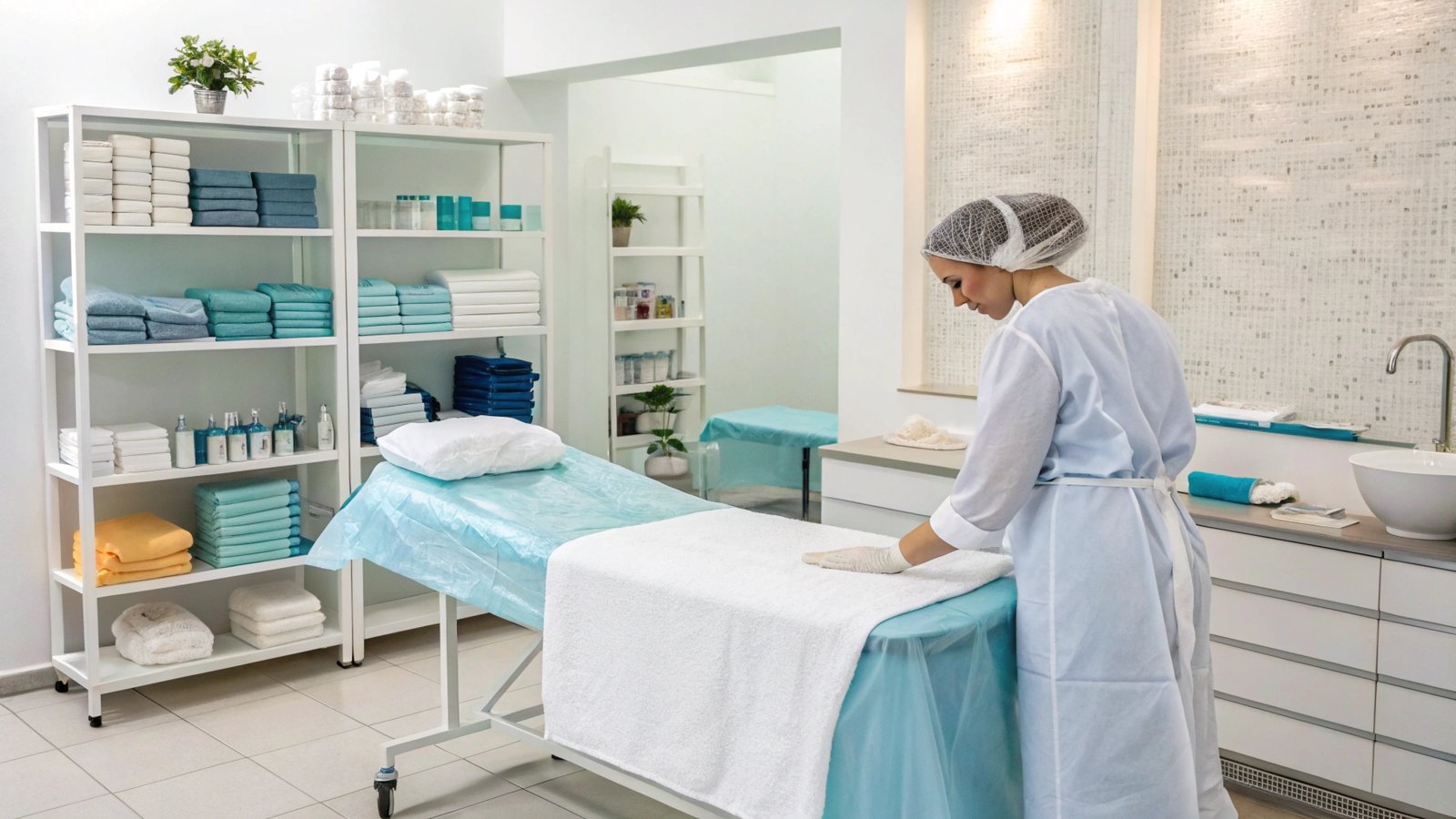
Ideal Use: Visitor areas, hygiene zones, beauty or spa entry protection.
Material: PP (Polypropylene)
GSM Range: 14–25gsm
Why it works:
PP in this GSM band provides just enough coverage for basic hygiene or visitor protection.
It delivers the appearance of protection without adding unnecessary barrier layers like medical-grade SMS.
Procurement Insight:
Price sensitivity is the key driver.
Higher GSM in this range does not increase value — it only raises cost and reduces margin.
That’s why professional distributors choose PP <25gsm for visitor traffic.
2️⃣ Patient Gown (Deep-Color SMS / 32–39gsm)
Ideal Use: Inpatient areas, recovery rooms, general hospital wards.
Material: SMS (dark color)
GSM Range: 32–39gsm
Why it works:
This GSM class gives a balanced feel — moderate barrier, breathable comfort, and a professional appearance.
Deep-colored SMS fabric hides small stains, looks cleaner and more dignified for patients.
Procurement Insight:
The segment is highly price sensitive, but comfort still matters.
Too thin → users feel unsafe or “cheap.”
Too thick → heavy, warm, uncomfortable.
32–39gsm hits the “psychological sweet spot” between trust, comfort, and cost control.
3️⃣ Medical Isolation Gown (Laminated SMS / 38–45gsm)
Ideal Use: Clinical environments with higher splash exposure — operating rooms, ERs, testing labs.
Material: Laminated SMS
GSM Range: 38–45gsm
Why it works:
Laminated SMS has a reinforced surface feel, creating instant user confidence even before testing.
This GSM range supports real medical applications with frequent fluid or disinfectant contact.
Procurement Insight:
Buyers should focus on user confidence.
Under this GSM, frontline staff often say it “feels like a visitor gown.”
Staying within 38–45gsm ensures protection without crossing into unnecessary heavy-duty cost.
4️⃣ Wet Environment / Heavy Cleaning (PP+PE / 32–38gsm)
Ideal Use: Industrial wet processing, sanitation work, food factories, and marine operations.
Material: PP + PE Film (laminated PP)
GSM Range: 32–38gsm
Why it works:
This range combines cost efficiency and moisture control without the expense of full SMS.
It’s designed for splash or humidity — not for medical certification.
Procurement Insight:
Common buyer mistake: assuming PP+PE is only for hospitals.
In reality, it’s widely used in non-medical wet environments.
Below 32gsm → complaints like “it leaks.”
Above 38gsm → cost burden with no added benefit.
The 32–38gsm zone is the “efficiency equilibrium.”
FAQ — common buyer-decision questions
Is the highest GSM automatically the safest?
No. Incorrect overspec wastes cost and reduces comfort without adding value.
Why choose dark-color SMS for patient gowns?
Because visual confidence matters. Dark colors hide marks. Users feel the gown is better — even at the same GSM.
Is PP+PE only for hospitals?
No. Most PP+PE in real orders is for industrial wet operations, not hospitals.
If I’m not sure, which group should I start from?
Start from usage → not from price. Usage tells you the correct material immediately.
Conclusion & buyer recommendation
Professional sourcing is not “highest spec wins.”
Professional sourcing is “fit-for-use → then cost optimized.”
Your selection map:
PP 14–25gsm = visitor & hygiene (pure cost efficiency)
SMS 32–39gsm deep color = patient gown & dignity optics
Laminated SMS 38–45gsm = medical isolation gown higher user confidence
PP+PE 32–38gsm = wet environment (not limited to hospital use)
If you share your exact usage scenario, we can point to the exact material + GSM within 24 hour, so you avoid overspec and protect margin.